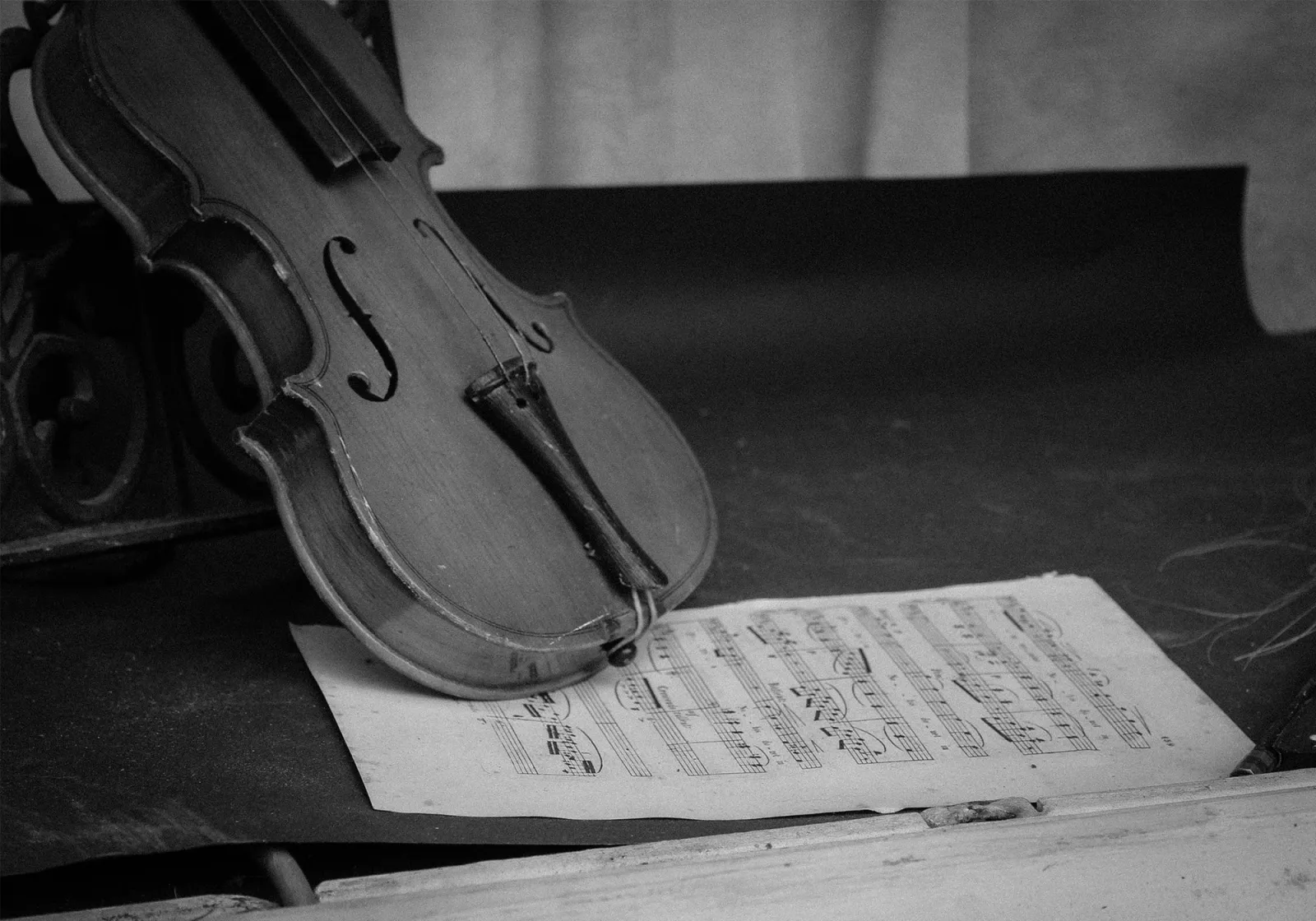
"Musical talent defies simple definition because it is a complexly organized system of individual talents, each with its own unique autonomy. In this context, understanding musicality requires a careful analysis of the manifestations of each individual talent within this system."
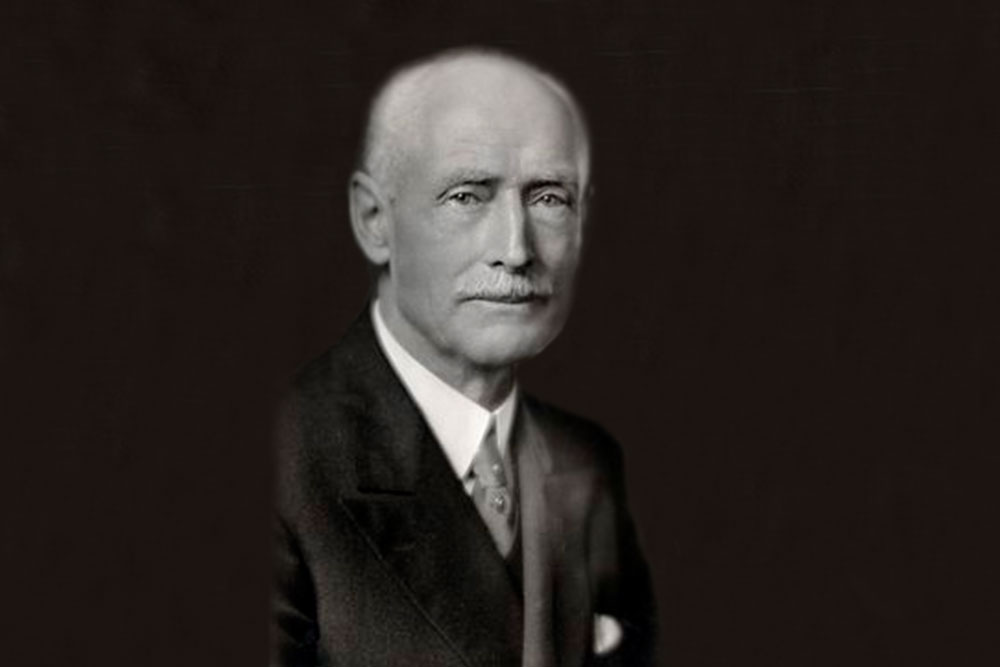
The renowned scientist Carl Emil Seashore, whose research spanned psychometrics, educational psychology, visual perception, art and music, left a notable mark on the history of developing methods for assessing musical ability. In his last scientific work, entitled In Search of Beauty in Music, published in 1949, he emphasized that a deep sense of the beauty of music is possible only through the emotional perception it is capable of evoking. As president of the American Psychological Association in 1947, Seashore authored more than 237 scientific papers, including books and articles.
Carl Emil Seashore was born on January 28, 1866, in Mörlunde, in what is now Sweden, to Emilie Charlotte Borg and Carl Gustav Sjöstrand, farmers. In 1870, his family decided to move to the United States, where they settled in the farming community of Boone County, Iowa. The difficulty of pronouncing the Swedish surname for Americans prompted Carl's uncle to change it to the more understandable English version Seashore, literally translating to "seashore."
Path to education
Seashore received his initial knowledge at home, and at the age of eight, he continued his education at the school his father had founded. After completing his schooling in 1882, Carl not only helped on the family farm, but also taught at local educational institutions.
The next stage of his educational journey led to Gustavus Adolphus College, located in St. Peter, Minnesota. There, Seashore studied mathematics, music, foreign languages, and literature, while actively participating in the musical life of the college. He successfully graduated from college in 1891.
After that Carl went to Yale University, there he became interested in psychological statistics, measurement techniques and structural psychology under the guidance of Edward Titchener. In 1895, Seashore defended his doctoral thesis on the influence of inhibition on learning, becoming the first Ph.D. among Yale graduates.
Professional activities and scientific achievements
Since 1890, Carl headed the graduate school of the University of Iowa, and seven years later became the head of his psychological laboratory. He completed his earthly journey on October 16, 1949, in the city of Lewiston, Idaho.
Outstanding Works
The Musical Talent Scale
In 1919, Seashore introduced to the world the Musical Talent Scale, which consisted of six tests designed to assess a person's overall musical ability. He argued that these abilities are laid down at an early age and remain stable throughout life. The researcher identified 25 fundamental criteria for assessing an individual's musical potential.
With the development of recording technology in the 1930s, Seashore adapted his test by eliminating the consonance and dissonance subtest and modernizing the timbre test, emphasizing the importance of tests of pitch perception, rhythm, and musical memory.
The Artistic Appreciation Test
In collaboration with N.C. Meyer, the Artistic Appreciation Test was developed by comparing two versions of the same painting: the original and one that has been specially altered to reduce its aesthetic appeal. The choice of the original version indicates that the subject has a developed sense of artistic beauty.
Group cohesion index
This test is designed to assess the level of coordination and mutual understanding within a team, analyzing the desire of each of its members to actively participate, share common goals and strive to strengthen and develop the group.
Legacy and contributions to science
Seashore's years of research were summarized in his work The Psychology of Music, published in 1938. He also played a key role in founding the "Child Welfare Research Station" at the University of Iowa and developed many unique pieces of experimental equipment, including the tonoscope. The methodology Seashore laid out for testing musical aptitude continues to be valid despite the diversity of opinions from critics, students, and even his own son:
- Max Schön proposed additional methods for testing musical aptitude by introducing a separation between musical perception and performance skills.
- M. Marcell commented on the shortcomings of Seashore's approach, noting that his tests focused more on physiological auditory responses rather than on intellectual processing of information.
- Robert Seashore demonstrated that the ability to differentiate musical tones can be significantly improved with training.
A modern version of the Seashore test
Do you want to assess the degree of cohesion in your team? The Group Cohesion Index will give you that opportunity quickly and easily. Answer just 16 questions and the results will be immediately displayed on your screen.