
Judging by the name of the test, it is obvious that its results are not related to your belonging to a certain nationality, your level of education or knowledge, or the traditions you follow. This test allows you to assess your intellectual abilities without being tied to your cultural level, upbringing or mentality.
In its original version, this survey includes 187 questions divided into 16 scales, which allows you to create a detailed portrait of a person. A simplified version of the test is available on our website, with only 16 questions. By answering them you will be able to assess your level of intelligence, but it should be noted that we are not talking about the intelligence quotient (IQ) here.
What is intelligence?
Intelligence, what is it and how is it formed? This term denotes a system of human abilities, thanks to which he\she is able to think logically, perceive and assimilate information, and then successfully apply the knowledge gained in life.
From birth, a person begins to explore the world around them. Further, imagination and thinking join the process of cognition. Memory and attention play an important role in the development of intelligence, without which it is impossible to effectively memorize and retain information. To develop intelligence, it is critical to constantly expand one's knowledge, learn new things, and increase the complexity of the tasks at hand.
Raymond Bernard Cattell (20.03.1905 - 02.02.1998)
Born in England, Raymond Bernard Cattell received his education there and devoted his life to teaching and research, he wrote many books and scientific papers, including the development of several tests.
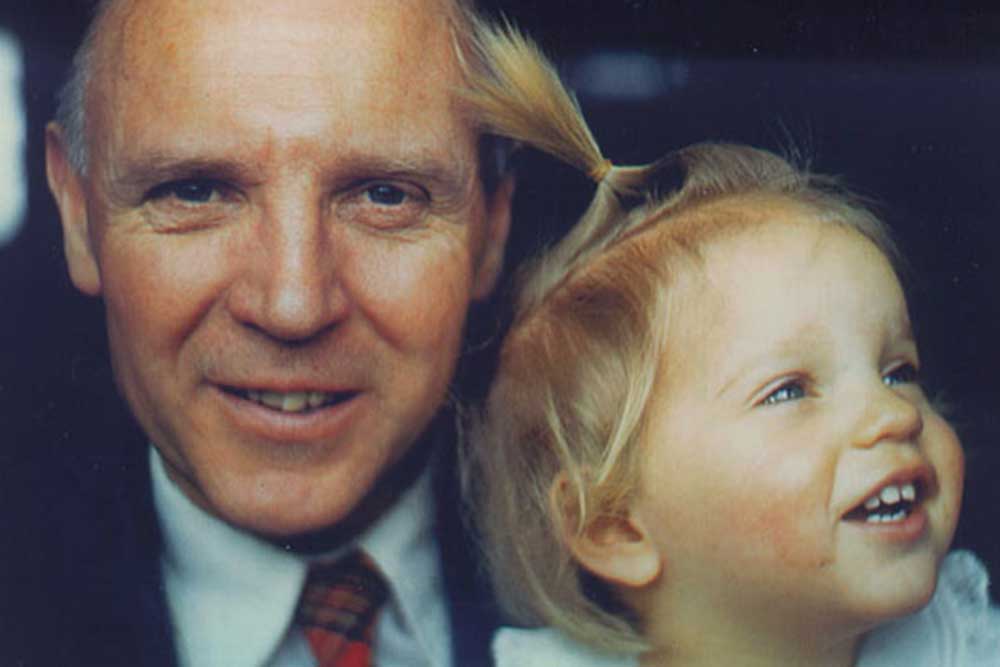
In his studies of intelligence, Cattell identified two major aspects of intelligence:
- Movable intelligence. This is the ability to quickly find solutions in new situations without relying on past experience.
- Crystallized intelligence. This is the part of intelligence that is formed in the process of accumulating one's life experience and education.
In his opinion, intelligence consists of more than a hundred different abilities, and each person has these abilities developed to an individual degree, which makes each of us a unique intellectual person.
Who is the test suitable for?
This test is designed for people over the age of 16, as its questions are not adapted for younger children and adolescents. An important prerequisite is that you have completed school up to and including grade 9, your nationality, religion and level of education do not play a important role.
Instructions
You are asked to answer 8 logical questions, choosing one of the three suggested answers. In order to achieve the most accurate results, you should not rush your answers; it is important to answer thoughtfully and deliberately. Once you have answered all the questions, the system will process your answers and provide results describing your level of intellectual development.
Take the test and determine your intelligence level!
The methodology we offer to determine the level of intelligence stands out for its efficiency and excellent speed. Just a few minutes of thought and eight mouse clicks will lead you to a final result that you can immediately share with others.