
The Rorschach inkblot method is one of the most recognized and highly regarded techniques in the world of psychology, due to its relative ease of use, objectivity, and effectiveness in obtaining results. This method enables psychology professionals to identify basic qualities and attributes of personality, and also serves as an indicator of specific traits that manifest themselves in the process of an individual's creative expression. The test emphasizes an individual's unique traits, strengths, characteristics, and even his or her positive or negative disposition. In a sense, this method can also be considered projective. It was developed by Herman Rorschach back in 1921.
About the developer
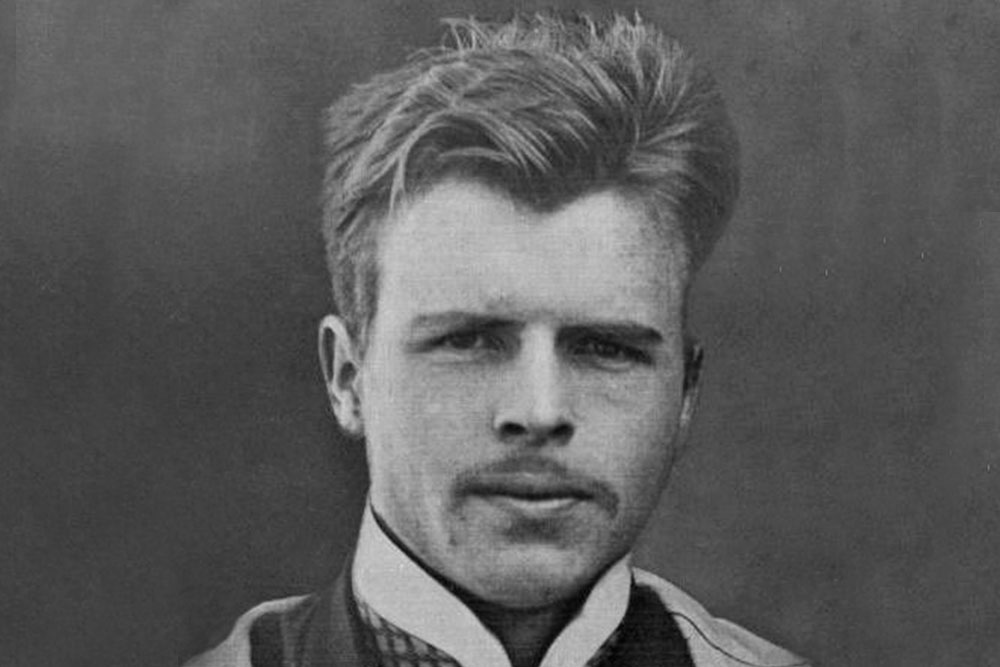
In his school years, Hermann Rorschach was called "Blot" - this nickname he received because of his fascination with painting and passion for art. At that time, he had no idea what he would contribute to the future. Fate early deprived him of his parents, but this circumstance did not prevent him from graduating from high school with honors and successfully graduate from medical school. After that, Rorschach began working in several psychiatric clinics.
How does it work?
The testing process seems quite simple at first glance: all that is required are ten cards with abstract, oily-watery spots of various colors. Of these, there are five black ink stains, two combinations of red and black, and then three cards with multi-colored stains. At first glance, it may appear that these are simply the marks of spilled ink, accidentally folded in half sheets of paper! However, a closer look reveals that each stain has distinct patterns that may resemble animals, people, or objects encountered in everyday life.
Technique of the study
The testing process involves two people: the researcher and the subject. The researcher's task is to present the subject with the spot cards in a sequential order, asking questions about what they remind them of. After the subject has examined all the ink stains and shared his or her impressions, the test is repeated. It is important for the test taker to clearly and confidently describe their visions and thoughts as to why they see that particular one. Although the spots are placed vertically, the cards can be turned, tilted and viewed from different angles. The researcher, in turn, should carefully record all observations and associations mentioned by the subject.
Interpretation of results
Specific categories, divided into five main groups, are used to decipher the responses:
- Localization - an indication of what part of the image was chosen to describe: the whole object or a specific part of it.
- Determinants - the characteristic by which the object was chosen: its color, shape, etc.
- Level of form - how accurately and correctly the image was reproduced in the response.
- Content - what category the comparison belongs to: human, animal, plant, abstract figure, etc.
- Originality - how unique and individual the answers are, because many of them may be typical, but sometimes there are also particularly original ideas.
The analysis of "final scores" allows you to form a comprehensive portrait of the personality, highlighting a unique set of traits that characterize the individual.
Take the Rorschach Test
If you've always been intrigued by what it would be like to take the famous test and see what you see among the ink blots, don't miss your chance to give it a try!