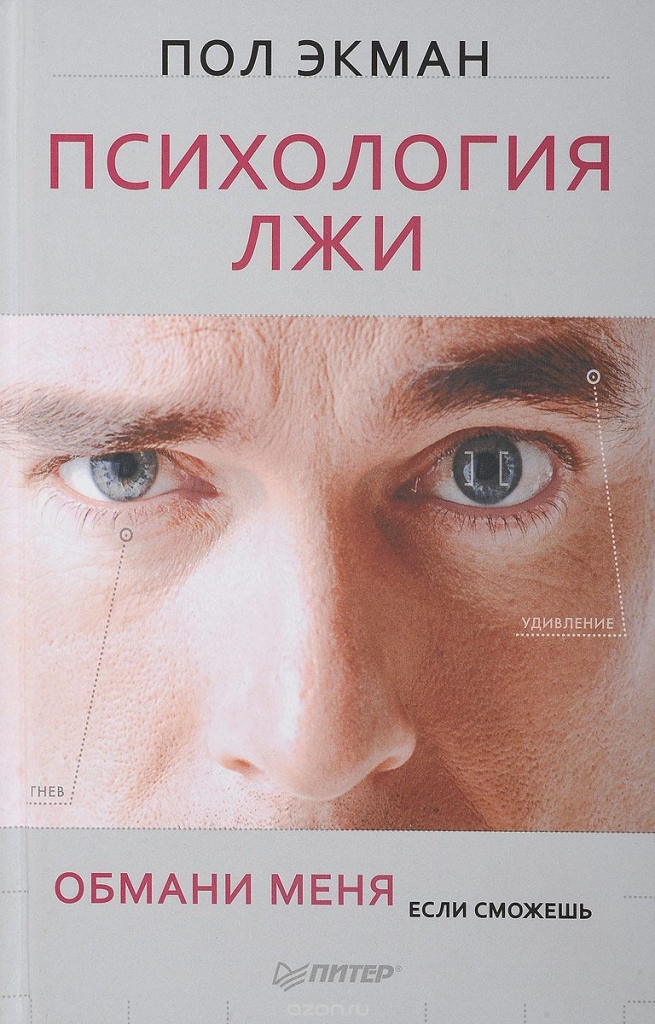
How often do people lie? How can you spot deception through facial expressions and gestures? What should you do when a lie is difficult to detect? Paul Ekman, author of Telling Lies, answers these and many other questions. Remember that hiding a lie is extremely difficult, and anyone can learn to recognize a liar with the right knowledge. Discover how to notice what others are trying to conceal from you.
About the Author
Paul Ekman is a renowned psychologist and an expert on deception, emotions, and relationships. He began studying subtle body movements in 1950 and added facial expressions and human emotions to his research 10 years later. In the late 1960s, he traveled to New Guinea to study the nonverbal behavior of tribes isolated from the rest of the world. His findings supported Darwin’s claim that human facial expressions are universal.
After returning, he began analyzing the behavior of patients in a clinic after unsuccessful suicide attempts. Ekman carefully reviewed recordings of conversations between patients and doctors, focusing on patients’ claims that they felt much better and were ready to go home. Most of them were lying, as their distinctive microexpressions revealed. This work marked the beginning of his extensive research into the theory of deception.
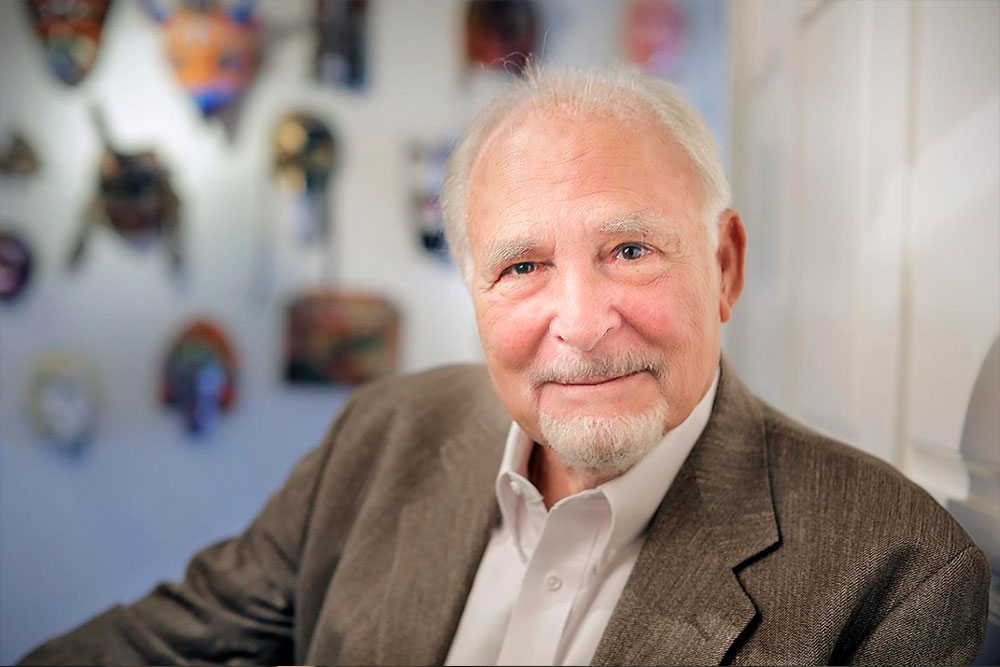
He has written many books about detecting lies, the psychology of emotions, and related subjects, as well as articles published in prominent journals. During the production of the popular TV series Lie to Me, Ekman served as a consultant and inspired its main character. Like Ekman, the character worked with federal agencies, police officers, judges, and government officials, providing invaluable assistance.
“Lie to Me If You Can”
The book explains the theory of deception and ways to detect lies through facial expressions, gestures, and the voice. It includes detailed examples that make the author’s ideas easy to understand. A separate chapter covers the main mistakes people can make when interpreting someone’s behavior. Ekman also devotes considerable attention to stories about famous people and politicians whose lies were exposed.
Here are some of the things you can learn from the book:
- A person who is telling the truth but feels nervous for some reason may look like a liar, making deception harder to identify. Ekman offers several techniques for telling the two apart.
- A person who is lying always reveals clues through gestures and facial expressions; the key is knowing how to recognize them.
- Pathological lying can be a sign of a mental health disorder.
- Words do not always match behavior, so consider all the signals together.
- If you realize that someone is lying, do not reveal that you know. Let the person continue: as their confidence grows, their fear of being caught may fade, and they may expose the lie themselves.
- Pauses and slips of the tongue may be signs of deception.
Some ideas may seem obvious or familiar on an intuitive level, but they still need to be stated. In this way, Ekman brings unconscious knowledge into conscious awareness.
The book examines lies from every angle, both internally and externally, explaining their causes and forms. A distinctive feature of Ekman’s research is that he does not try to demonize lying and considers it necessary in some situations. He simply teaches readers how to recognize it; what you do with the truth is up to you.
The book’s appendix includes a table of possible behavioral clues and what they may mean.
Who Is This Book For?
Few people enjoy being lied to, so everyone has an interest in uncovering deception. This book will appeal to business professionals, educators, lawyers, psychologists, and anyone who does not want to be misled. Whether at work or in personal relationships, this knowledge can be useful anywhere.