
The Temperament Structure Questionnaire (STQ), developed by Vladimir M. Rusalov, is a distinctive psychological assessment tool used to evaluate a person’s individual temperament traits. This method helps examine deeper personality features that appear in stable patterns of behavior and emotional reactivity.
Uses and Importance of the STQ
Rusalov’s STQ is suitable for a wide range of people who want to understand themselves better, as well as for psychology professionals and HR specialists who aim to improve hiring processes and team development. The questionnaire is used in many areas, from clinical and social psychology to career counseling and personal development. It identifies aspects of temperament such as emotional reactivity, activity level, social adaptation, and the ability to work in different conditions.

About the Author
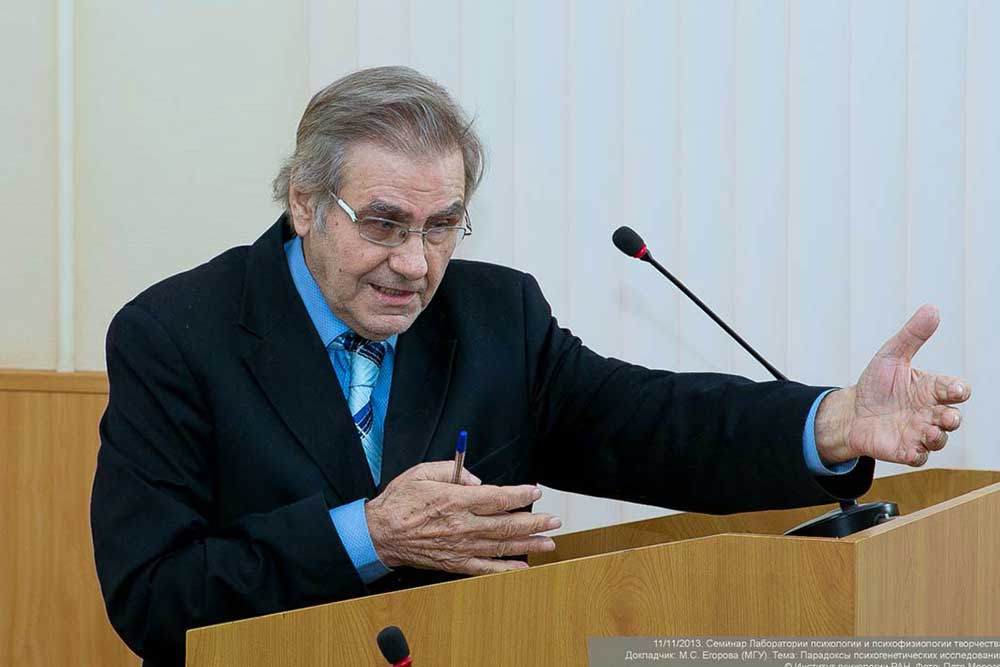
Vladimir M. Rusalov was a prominent Russian psychophysiologist and psychologist who developed the STQ in the late 20th century. His work was driven by the goal of creating a tool that could objectively assess and analyze a person’s temperament characteristics based on scientific research. Rusalov sought to connect theoretical approaches to temperament with practical psychology, and this idea is reflected in the STQ.
Questionnaire Structure
The STQ includes a series of questions designed to explore different aspects of temperament. The instructions ask respondents to choose the answers that fit them best, making it possible to reflect the respondent’s individual traits accurately. The questions cover a wide range of behavioral reactions and emotional states, reflecting four main components of temperament: energeticity (activity), social adaptation, emotional stability, and rhythmicity (regularity of behavior).
After completing the questionnaire, the user receives a detailed report that includes an analysis of the answers and an interpretation of the identified temperament characteristics. This makes it easier to understand one’s natural tendencies, preferences in work and communication, and typical ways of responding to stressful situations.
Rusalov’s questionnaire became an important contribution to psychological science and practice by providing a tool for the comprehensive study of temperament and its influence on human behavior and interaction with the world around them.