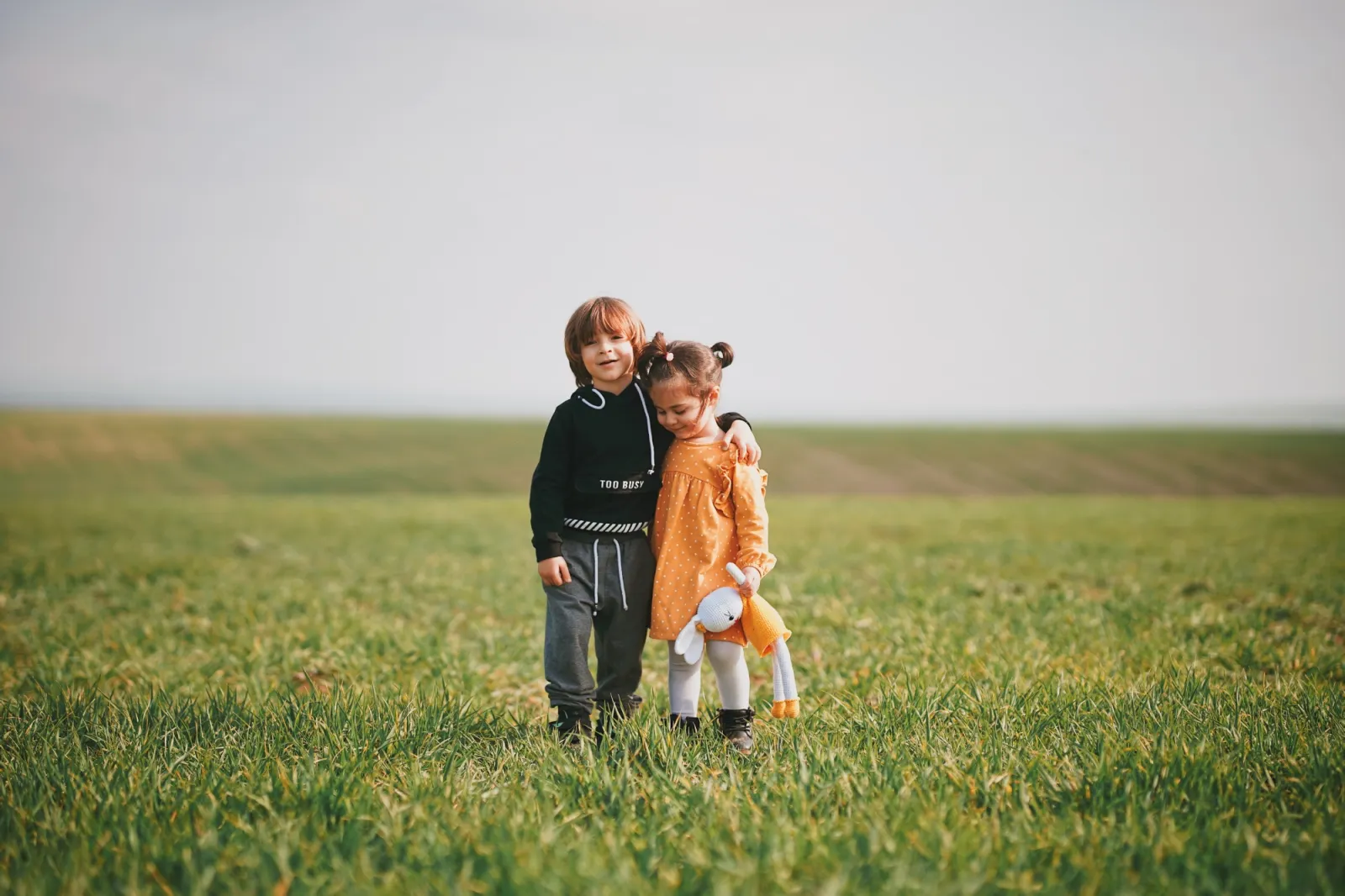
Love and attention from a parent is a great gift for a child. In a safe environment, a child feels safe and learns to trust the world. But unfortunately, not all parents know how to show their love correctly. Because of that the child in such a family does not feel significant, loved and protected. How to identify the complex of an unloved child? Why doesn't it pass without a trace? Let's try to find out these questions in our article!
How is the syndrome of the unloved child formed?
It's no secret that for the safe development of the child, he\she needs an adult who will take care of them, respond to their needs. But there are situations when there is no such adult in the child's life. Or there is, but he\she does not listen to the needs of the child. In such cases, the child has fear, anxiety.
Signs of an unloved child:
- He\she does not trust people.
- Does not know how to express their feelings correctly.
- Very much afraid of making a mistake.
- Not confident.
- Strongly dependent on other people's opinions.
The main reasons:
Parents do not know how to show their love. Most likely, in childhood parents themselves did not experience love in their own family. Therefore, when building their own family, they use the same pattern of behavior.
Replacing love with gifts. Adults who can not for some reason (lack of time, divorce, laziness) organize a happy childhood for the child, prefer the easiest way of love. They give their children gifts, allow them everything, spoil them excessively.
It is difficult for parents to build relationships with their children. It is not so easy to find an individual approach to the child, especially if there are several children in the family. It is easier to come up with a single rule for all, than to work off the desires of each child individually.
Lack of love. Not all children are born desirable. Some parents realize that they are not ready for such life changes only after the child comes into the world. Therefore, the upbringing of the child is taken for granted.
Consequences in adulthood
Unloved children in adulthood often fall into destructive relationships. It is difficult for them to understand flirt, love or really show warm feelings towards others.
As for their career, such children are afraid to show their ambitions. They do not believe in their own strength, suffer from perfectionism. As a result, they do not manage to realize their potential.
How to prevent this?
- Unselfishly love the child, always be on their side. Protect your child, defend their interests. Do not devalue their words or actions.
- Demonstrate love through actions. Give your attention to your child, be interested in their life, support them in difficult moments.
- Identify the strengths of your child, develop them. Create favorable conditions for your child to show their uniqueness.
- Give your child the right to make mistakes. Inspire confidence that with the next attempt everything will work out.
- Adhere to a clear system of upbringing.