
Have you ever come across a book that is of equal interest to both psychology professionals and simple readers? Claudio Naranjo's "Character and Neurosis", published in 1998, covers such topics as the enneagram and its internal relationships, the concept of neurosis and its relationship to personality character, and many other aspects.
The book is based on the scientific achievements of the famous Swiss psychiatrist Carl Jung, and the concept of personality types itself was developed together with Óscar Ichazo. If you are striving for self-discovery and self-improvement, this book will be really useful for you.
A little about the author
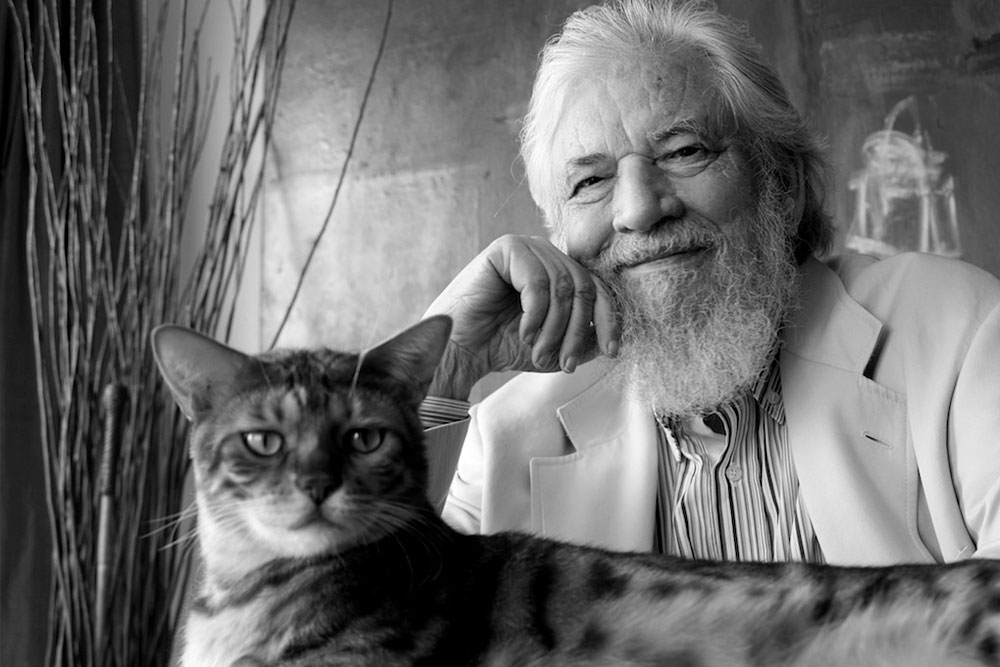
Claudio Naranjo is a prominent Chilean psychiatrist with extensive experience and practice in his field. He got his doctorate at the age of 27, after which Naranjo actively devoted himself to psychotherapy: working in a psychiatric clinic, participating in therapeutic groups and contributing to scientific research.
As the author of numerous publications in psychology, covering the topics of personality types, Gestalt therapy and education, Claudio believes that to transform society, it is necessary to start by changing the education system. He has lectured on this subject on numerous occasions at various academic institutions.
However, the key focus of his life's work has been the psychology of enneatypes, or character types. This project was realized after many years of research and in-depth study of the subject.
About character and the enneagram
Character is a stable complex of unique personality traits that determine their behavioral features and actions. Two elements play a key role in its structure:
- the specificity of the nervous system;
- the impact of external stimuli, or environment.
Claudio Naranjo identified 9 personality enneatypes, each with a unique set of traits that form a distinctive personality image. These types are organized in the shape of a circle, being equidistant from each other and not overlapping, which carries a certain symbolism of their contribution to the harmony and balance of the world.
In addition to the unity of the enneatypes, they can also exhibit negative influences on each other, such as through "energy vampirism," where one person extracts energy from a weaker type a person, leaving them depleted and uncomfortable after interacting with dominant personalities.
To better understand the relationship between types, arrows indicating changes in personality behavior under conditions of comfort or stress have been introduced into the enneagram to help determine which personality types should avoid close interaction.
Psychological concept of neurosis
From a psychological perspective, neurosis is described as a disturbance in the functioning of the nervous system that is not accompanied by visible physical or anatomical damage. "Vicious circle", where failures and conflicts cause neuroses, which in turn provoke more conflicts, depressed state and anxiety, is considered one of its causes. Neuroses can manifest themselves in a variety of forms, ranging from obsessive compulsive states with constant disturbing thoughts and fears, to extreme depression and loss of desire to live.
According to Claudio Naranjo, the root of neurosis lies in psychological inertia, when low activity of the nervous system prevents adequate switching between different reactions, which can cause the development of neurotic states.
Recommendations for reading
This book represents a significant contribution to the development of modern psychotherapy and is addressed not only to specialists in psychology and psychiatry, but also to a wide range of readers interested in psychology or on the path of spiritual search.