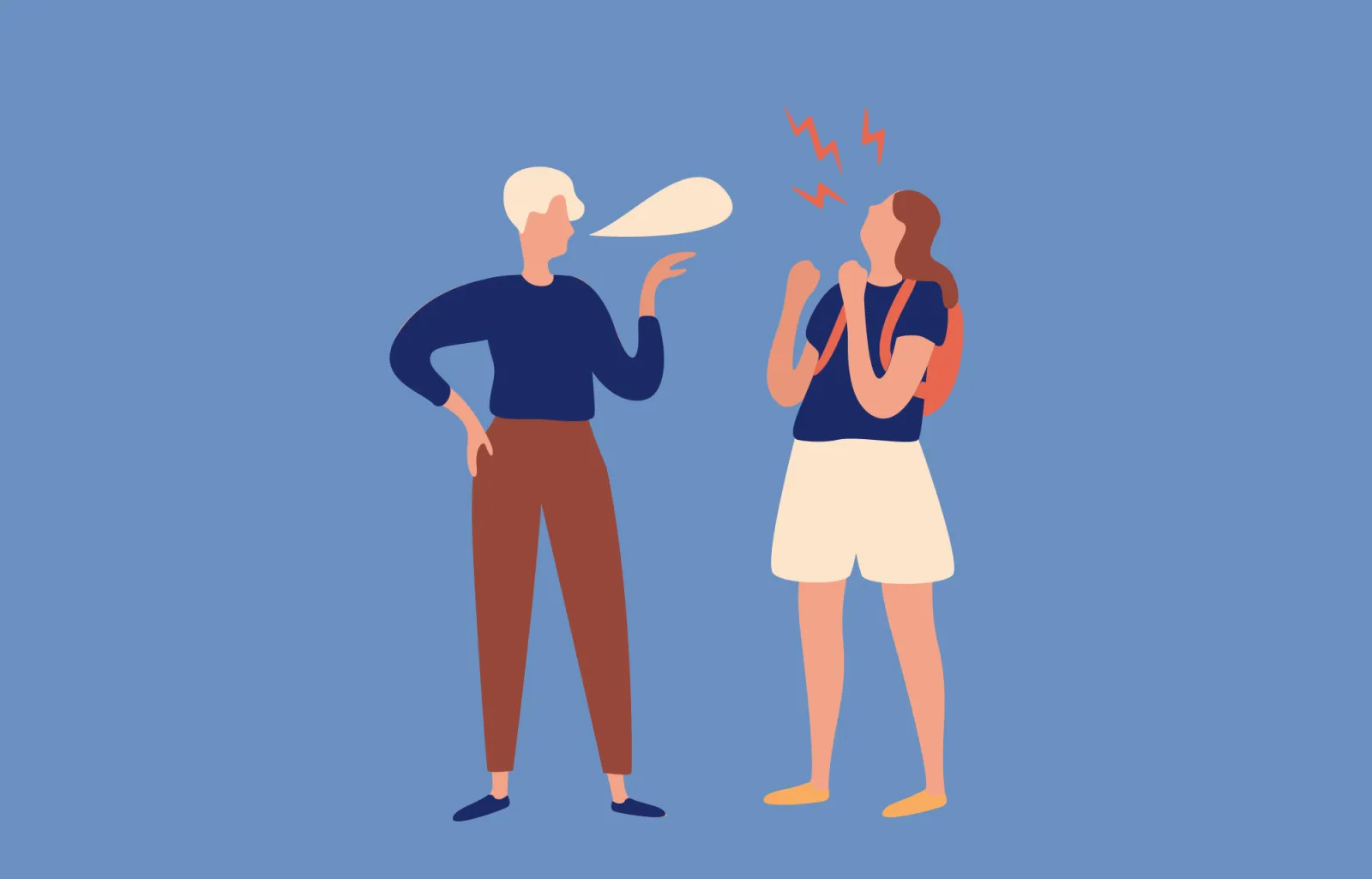
Psychological violence in the family is one of the most hidden and, at the same time, destructive forms of domestic violence. It can go unnoticed for long periods of time, but the effects on the mental health of victims can be devastating. Coping with this type of violence requires understanding the signs, self-defense techniques, and knowing where to seek help.
Signs of Abuse:
Psychological abuse includes many forms, including:
- Control and isolation: restricting freedom of movement, controlling personal contacts, prohibiting contact with friends and family.
- Emotional neglect: ignoring needs and feelings, disregarding opinions and achievements.
- Humiliation and insults: regular derogatory remarks aimed at degrading self-esteem and dignity.
- Manipulation: shifting responsibility for problems and negative situations onto the victim, making them feel guilty.
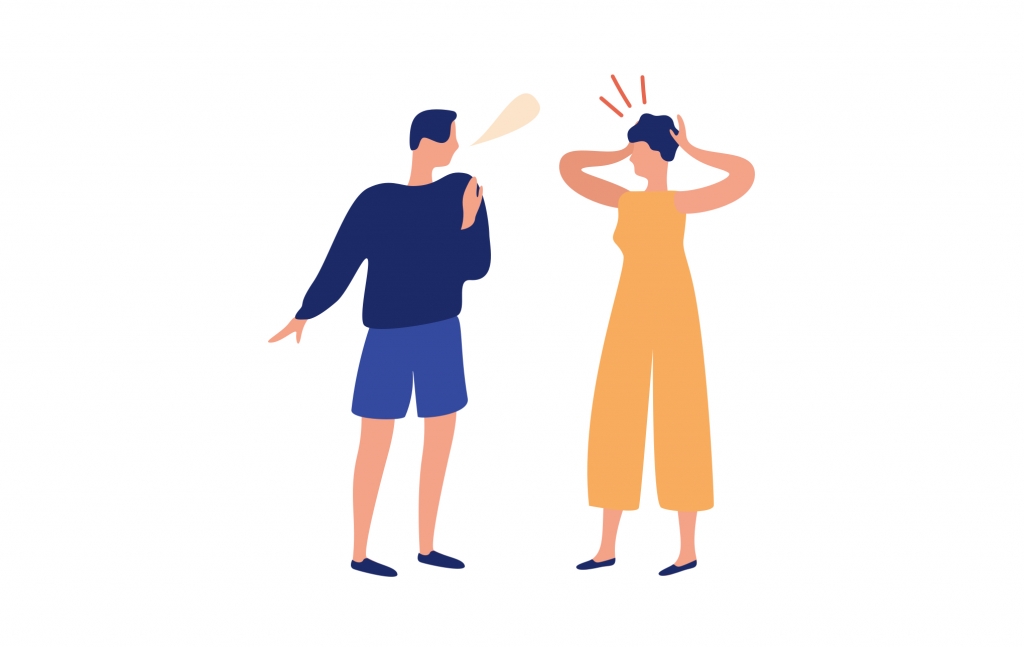
How to protect yourself?
- Recognizing the problem: the first step to protecting yourself is to recognize that what is happening is a form of abuse.
- Finding support: it is important to find a person or group that can offer support and help.
- Setting boundaries: clearly defining and communicating your own boundaries is a key element of self-defense.
- Legal support: in cases of severe abusive behavior, it may be necessary to seek legal assistance to protect one's rights and safety.
Specialist's advice
- Special signs for help: many countries have special signs and codes that can be used to unobtrusively communicate your situation and request help without arousing the suspicion of the abuser.
- Consultation with professionals: regular sessions with a psychologist or therapist can provide significant support in the recovery process.
Useful literature:
For those facing psychological domestic violence, there are many books written to educate, support, and aid in recovery. Here is an expanded list of recommended literature:
-
"Why does he do that?" - Lundi Bancroft. The book offers deep insight into the dynamics of abusive relationships and strategies for getting out of them.
-
"Healing Invisible Wounds" - Richard F. Mollica. This book focuses on inner healing after experiencing emotional abuse.
-
"Escape from Freedom" - Erich Fromm. A philosophical look at the human desire for autonomy in the context of modern society and family relationships.
-
"The Verbally Abusive Relationship: How to recognize it and How to respond" - Patricia Evans. The author reveals the signs of abusive behavior in the early stages of a relationship and offers advice on how to prevent it.
-
"Road to Recovery Healing from Domestic Violence" - Rahmanara Chowdhury. The book provides a comprehensive recovery plan for victims of domestic violence, including emotional and physical healing.
-
"How to Survive Among Manipulators" - Gerard Vernet. The author shares strategies for recognizing and resisting manipulative behavior in personal and professional relationships.
-
"Boundaries: When to Say Yes, How to Say No to Take Control of Your Life" - Dr. Henry Cloud and Dr. John Townsend. The book focuses on the importance of setting and maintaining personal boundaries for healthy interpersonal relationships.
-
"The Body Remembers: The Psychophysiology of Trauma and Trauma Treatment" - Babette Rothschild. This publication helps you understand how traumatic experiences are stored in the body and how you can work with bodily reactions for healing.
Psychological domestic violence is a complex and painful issue, but it can be overcome with the right knowledge and support. It is important to remember that no one deserves to be abused and that everyone has the right to a happy and safe life. Seeking support and help is a step towards recovery and finding a new, healthy reality.